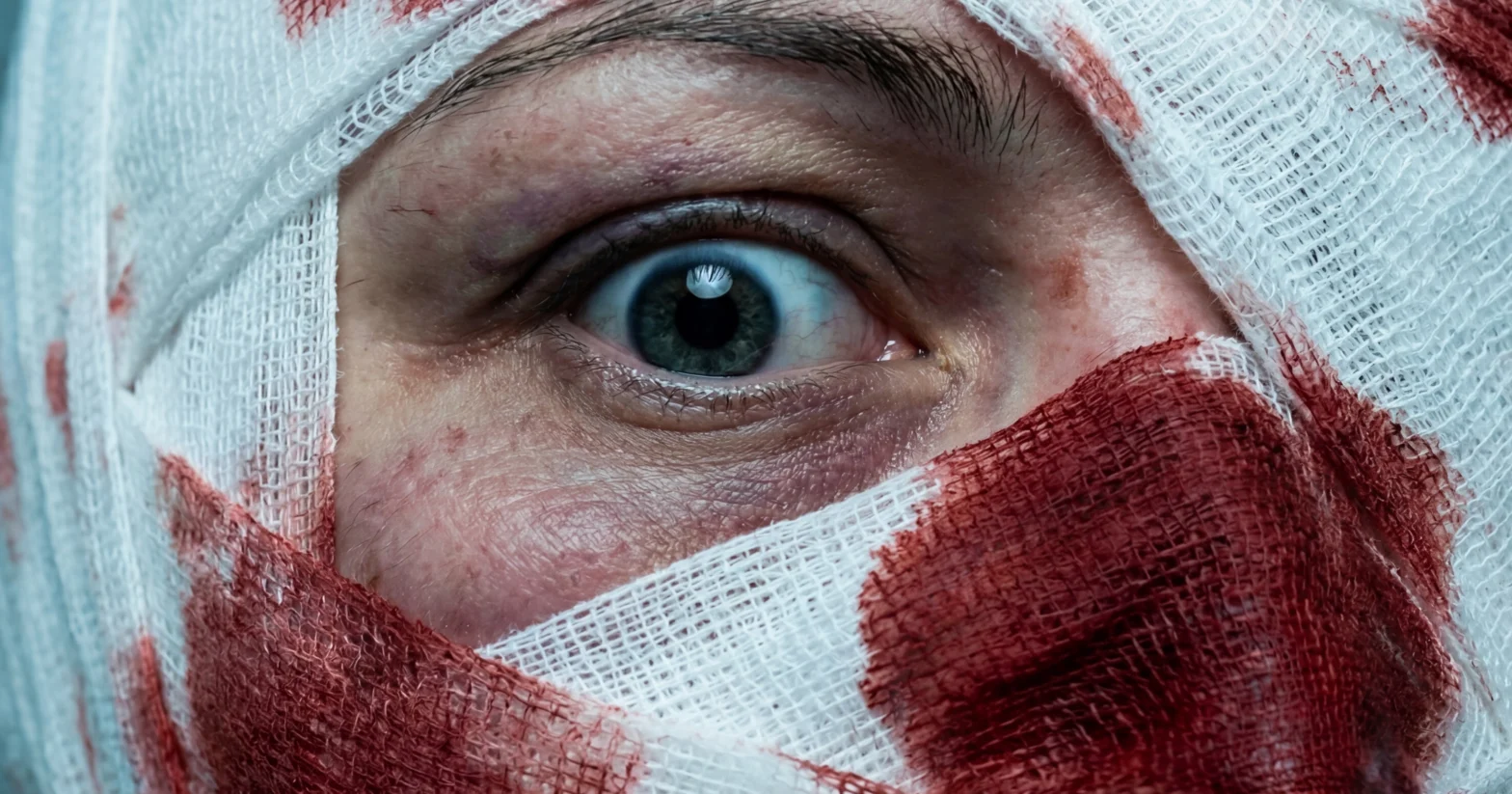
On a frigid December night in Tokyo, Yelena Gorgo tracks down Yaponchik, a legendary Yakuza assassin and bodyguard to the elusive Shōgun Fukuyama—a name on her father's death list. What begins as a brutal confrontation in a karaoke bar becomes a methodical interrogation that tests the limits of honor, ego, and survival. Some codes are meant to be broken.
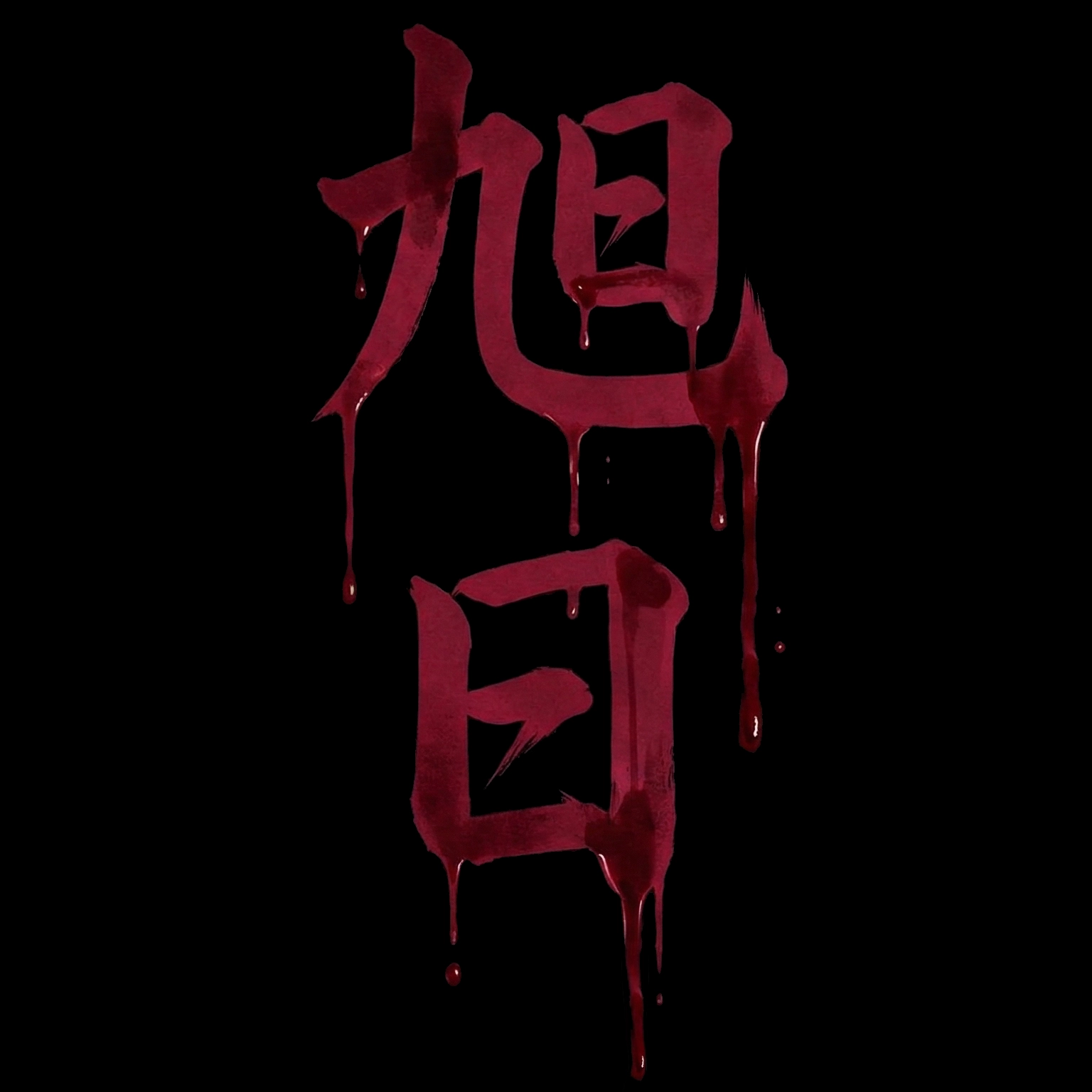
Rising Sun
The strength of a samurai is measured by loyalty to one's master.
An Arch Motorcycle 1s cuts through the Tokyo streets like a surgical blade slicing through a cadaver as Christmas-themed neon races across the tinted visor of my red crash helmet. Matching leathers hug my frame, creating a crimson silhouette of a hell rider come to claim a soul. The thick material fights back against the biting December cold even as the top speed roars to 150 km/h on a straightaway.
I received the call an hour ago. “Oni no Sumika,” the male voice said before the line clicked dead. The Demon’s Den. Tracking down a Yakuza assassin trained to be a ghost is difficult—and costly. Fifty thousand dollars was the cost of the location. Another fifty thousand guaranteed secrecy.
I turn down a narrow cobblestone street, the engine rumbling off the facades of geisha houses and restaurants long since closed for the night. There are pedestrians laughing together as they walk, moving to and from bars, host clubs, and noodle shops. After midnight there are no other trains. Every face I see belongs to someone who lives in the area or isn’t planning on leaving any time soon, and all of them are locals. No gaijin. This area isn’t for tourists.
The motorcycle comes to a smooth stop. My boot pushes the kickstand down and I take the key, killing the engine in one turn.
“Nē, sutekina jitenshada ne!” a young man says, complimenting the bike as I climb off it. His friends stop to admire it with him with alternating oohs and aahs.
The curb pushes my height head and shoulders above the tallest of them. As I remove my gloves, I say through the helmet in perfect Japanese, “Arigatō.”
Their eyes widen. More than one gasps hearing my voice. They expected something deeper.
The mouthy one says, “Anata wa joseidesu ka?”
You are a woman?
He then calls me a giant, but not in a favorable way, and they laugh, so I seize him by the throat and lift his scrawny body until his tip-toes scrape the concrete.
“Nani ga okashī no?” (What’s so funny?)
He gasps. “Nani demonai yo! Nandemonai!” (Nothing! Nothing!) His eyes dart back and forth as his brain tries to formulate a response that doesn’t end with a mouthful of broken teeth. “Kireina koeda ne! Sugoku ōkikute, chikaradzuyoi koeda!” (Pretty voice! Very big! And strong!)
I shove him into his pack of friends who do not hesitate to ridicule him between laughs, taunting him as they hee-and-haw back and forth. One even mimes the cluck-cluck of a chicken as they continue towards their destination. Meanwhile I turn towards mine.
A two-story Meiji-era wooden building, painted matte-black that devours the streetlight. It’s sandwiched between two modern concrete apartment buildings, looking like a stubborn relic. There are no neon signs. The only indication of what lies beyond the sliding bamboo doors is a heavy wooden sign with the kanji 鬼の棲家 carved into it, lit by a single, flickering paper lantern.
I step in from the cold into a kiln of heat and sound—a karaoke bar dressed in deep reds, black beams and gold-leaf. The transition is a physical attack of frantic energy. Loud voices. Louder music. A sea of faces arranged across tables and booths and stools. The scent of expensive incense, aged cedar and tobacco invade my helmet, triggering memories from childhood before bans forced smokers into cramped backrooms or in alleyways.
Behind me the door glides smoothly shut, sealing me within this den of intrigue and danger. Everything is covered in a warm, moody glow from the red lanterns hung across the exposed beams of the high ceiling. The light doesn’t cast directly down—it’s fighting through a haze of cigarette and vape smoke, mixing together into a dense burgundy cloud that drifts in slow, chaotic swells like colliding storms of tar.
The room is packed. Patrons are mostly Gen Z, all dressed like they’re going to prom. Or a funeral. The left wall is lined with black booths and polished tables, each separated by lattice dividers that give a false sense of privacy. The middle is populated by a dozen more tables with free-floating chairs. On the right is the bar, stretching from front to back with thirty stools spaced close together. Behind it, four levels of illuminated shelves display a chorus of liquor bottles from around the world, projecting diffuse light into the glass that is tinted by the natural hue of the spirits.
As I walk through the crowded space, the next singer steps onto the stage. Young, cute and wearing a schoolgirl outfit with a dangerously short, pleated skirt. Behind her, a massive projected mural of a Japanese Oni wearing a tuxedo morphs into concert footage of KISS on stage in a sold out arena. The sound-alike track hits—a bass-heavy, thumping drive of electronic instruments that vibrates through the floorboards. Not the original, but close enough that I recognize it as I Was Made for Loving You Baby.
The Demon’s Den is jam-packed with bodies, with many forced to stand with drinks in hand in the tiny spaces squeezed out between tables or in corners. And yet there are several stools unoccupied at the bar. Four, to be exact, two and two, and in between them sits a woman in a black leather jacket with short, chopped hair. Her elbows are on the bar, body leaning forward. Everything about her body language screams leave me alone.
She drinks something amber-colored from a rocks glass, swallowing the last mouthful before slamming it down. She doesn’t have to order another. The bartender is there in a flash with a bottle of Johnnie Walker.
The singer belts out lyrics in broken English to cheers from the crowd as the bartender splashes scotch over ice. His eye catches me approaching the empty stool next to her. He shakes his head, a warning most would have sense to heed. I ignore it.
I ask if the seat’s taken—“Kono seki wa suite imasu ka?”—but I don’t wait for a response. I sit down on her right side and order a sake. The bartender’s hand drifts as he stumbles in thought, causing him to miss her glass. He curses. She looks up at him through jagged bangs. He bows his head and apologizes profusely, then puts the bottle aside to grab a rag to clean the mess.
Once he’s gone, the woman picks up her glass and brings it to her lips.
“Doko ka ni itte,” she says, then knocks back a mouthful. Go away. A simple command that anyone who values their life would be wise to follow because she is not prey. She is a viper and she is ready to strike. As I sit here, her left hand has moved inside her jacket, where I suspect a tantō is hidden against her ribs.
The visor lowers, her body fills the tinted glass and I switch to English.
“I’m not going anywhere.”
Leather tightens as I prepare myself, then I state three syllables, each with the seriousness of a bullet.
“Yaponchik.”
Her eyes somehow lock onto mine through the opaque glass. A tumbler explodes on the floor when the bartender loses grip of my sake after hearing the name.
Then she makes her move. The blade slips from the sheath with a whisper before being driven towards my spleen.
Now, before this whole bloody affair unfolds, I should tell you about Yaponchik.
Sixteen years ago, my father was hired by Tibor Petrov to fight for an underground fighting league called The Circuit. The whole operation was funded by a Russian mobster, Viktor Ivanski, head of the Izmaylovskaya Bratva. The premise was simple. Put two violent people inside a cage. Invite a bunch of oligarchs with more money than sense to place wagers. Collect the commission.
Of course it didn’t last. Eventually INTERPOL caught wind of the operation. Yaponchik, Little Japanese in Russian, is half-Siberian. Rumor was that she was Petrov’s secret daughter. She served him well until the Circuit fell apart because Petrov was a CIA informant against the vory v zakone, sinking the whole operation. She didn’t know until he was whisked away into witness protection, otherwise she would have killed him herself.
Don’t worry. He’s dead. I killed him three years ago. Sliced his neck with my father’s straight razor. Poetic. Petrov is the reason he was stolen from me, sent to a place worse than prison. An asylum where he was treated like a guinea pig. Petrov was afraid for his life, afraid vengeance would come calling, so he made sure his pals at the CIA greased the necessary wheels to convince a judge in New Orleans Parish that my Daddy-O was a danger to himself and society.
He was but that’s beside the point. He was taken away from me for five years, and for that, I slit Tibor Petrov’s throat in his cushy hotel room and watched as he slowly spiraled down the drain of life, right into the garbage disposal.
So why did I want to find Yaponchik?
On his deathbed, dad gave me a list. A list of names.
Tibor Petrov was at the top.
There were others, several others, that I have crossed out since. The doctor at the asylum. The woman who cost him his final run in the ring out of petty jealousy. The detective who spent years trying to put him behind bars and then made millions writing books about him.
The targets were vows written in blood and every death was a promise kept—but the List is long and I have allowed too many promises to rot on the vine because I allowed myself to become distracted.
Chief among them—Shōgun Fukuyama.
Remember Vanessa Byrne? Her company, Valor, was an upstart that didn’t last long. She pretended like she was in charge but in truth, she was simply a pretty face to sell the product to the Western audience. The money came from The Shōgun and his Yakuza friends. Dirty cash funneled through a corporation with high monetary turnover.
Unfortunately, that much dirt eventually drew the attention of pigs, and once the FBI began to look into Valor, the Shōgun needed the operation to go away quietly. Vanessa refused. The Shōgun blackmailed dad into destroying the company from within. When he said no, Fukuyama forced him out and, with Vanessa as his mouthpiece, made sure no other company would hire him. Six months later he was diagnosed with a glioblastoma. Terminal. Fukuyama and Vanessa not only publicly embarrassed him and smeared his reputation, but they cost him the ability to end his career on his terms.
I killed Vanessa by giving her a cigarette laced with palytoxin. Shōgun Fukuyama, however, escaped before I could get to him, disappearing into the shadows, shielded from me by the Yakuza and corrupt politicians.
But the Shōgun made a mistake. Knowing that I would never rest until he was marked off Father’s List, he sent a man to kill me. It was last February in Calgary. I was meeting with Johnny Wu, the Chinese tech billionaire in a hotel suite about a business deal when the assassin disguised as a room service attendant opened fire. I barely survived. In the chaos, I was able to disarm him—then I put a bullet in his chest.
His body was never located but men who work for me traced his life back to a home in Toronto where he lived a double life as Yamamoto Kenji, a classical pianist and teacher. A secure locker hidden inside his desk contained a trove of professionally-forged passports, each with a different identity from a different country, along with a few hundred thousand in USD and a notebook computer that proved especially difficult to crack.
Johnny was more than happy to assist given that I saved his life along with my own. I flew the computer to Hong Kong and handed it to him myself. It took his team a week to crack the security. The day before the assassination attempt, the terminal received an encrypted message. Infiltrate the hotel. Gain access to the suite. Engage the target. Eliminate on sight.
However, too much time had passed. After the failed attempt on my life, the line went dead. Tracks were covered. The trail went cold.
Until three days ago when Johnny called me.
“I found him.”
Three simple words followed by an address that shouldn’t exist for a one room office on a ghost floor of a Toranomon pencil building in Tokyo’s Minato ward. There, a man known only as Gakugei-in—the Curator—operated a switchboard.
Today I paid him a visit.
No security. No cameras. It was the kind of false confidence that builds in a man after decades of being untouchable. I didn’t know what to expect when I entered the room but what I found was an old man in an expensive suit alone with a ten thousand dollar encrypted laptop. He tried to draw a gun from the desk so I broke his hand in the drawer. He asked what I wanted. I said I wanted to purchase his services. One name. One location. Fukuyama.
He refused.
I broke his other hand then I held the gun to his head.
“Fukuyama,” I said again.
He didn’t beg. His fate was accepted, he explained, because Fukuyama had not been seen in public in over a year. His location was known only to a select few.
“Sorenara, son'uchi no hitotsu o mitsukete kite kudasai.”
(Then find me one of them.)
A deal was made. Fukuyama’s inner circle was small. I had met him once before, during a meeting where he attempted to bend me to his will, just like he had done to my father. There were two people in attendance who were of importance.
The first was Kaito, the Shōgun’s emissary.
“Shinda,” he replied. Dead. Car crash in August.
The second was Fukuyama’s personal bodyguard. A woman with a penchant for Japanese steel.
“Yaponchik.”
The Curator’s eyes looked up with beads of sweat rolling down his sunken face. He nodded once and we made a deal. Her location in return for one hundred thousand dollars—and I forget the fact he personally signed my death warrant all those months ago.
And that brings us back to the knife.
The tip of the tantō presses into the thick leather of my jacket but before it makes mince meat of my insides, my fingers clamp down on her wrist, halting its progress.
“Who are you?” she asks me as her arm tests my strength.
I answer with a hidden grin.
“The ghost of Christmas past.”
She makes her move, throwing all her weight forward. I shift my body, turning enough so the blade slices past me, cutting a line through the jacket but failing to reach skin. I then push off the stool and throw her body like a live grenade onto a table. She crashes through a line of patrons before spilling onto the floor.
At once the music cuts off. The singer finishes the line before realizing she was on an island alone. Every voice in the building is silenced as eyes turn to see Yaponchik slowly stand with her tantō blade in hand. My hands move to the helmet and pull it from my head. Blonde hair spills down my shoulders, already matted with sweat. When she sees my face, her eyes narrow, and she screams loud enough so that every person hears her order without question.
“SASSATO DETEIKE!”
Get the fuck out. And they do. Everyone immediately grabs their coats and bags then hurries towards the door, practically falling over one another. The fact no one gets trampled is both a miracle and disappointing. Face after face cuts through my locked gaze with the woman and neither of us is fazed. Her head is lowered, eyes burning beneath her brow—with anger, yes, but there’s something else twisting in those dark eyes, something I am equally familiar with.
The anticipation of the high that only comes when committing ultra violence.
Once the battering thud of shoes and noise of distraught voices clear out, the door whines closed, leaving us alone.
Silence stretches for seconds, until finally I say it.
“Fukuyama.”
She laughs but it’s mostly empty air.
I ask her what’s so funny as I take a step forward. The large table still stands between us.
A smirk plays across her lips. “You think I will tell you where he is? You are going to die for nothing.”
Another step.
“You will tell me.”
Her hand tightens around the blade’s grip.
“And why is that?”
“If there’s one thing I’ve learned over the last few months,” I begin as I stop short of the table, “it’s that everyone has a breaking point.”
That’s when I feel it, the Other Me—my Dark Self that I must keep stitched within the bindings of civility. The world can never see my real face, the predator beneath the skin, and so I hide it, bury it deep down, until moments like this come along, when I can take a thread ripper to the seams of my person suit.
This human mask slips, the monster within comes forward, and the woman named Yelena Gorgo dissolves into background noise.
There is only… THE HUNGER.
Jaws tighten as that old feeling comes over me, teeth stressing together in a chattering whine of tension. Hands stretch apart at the joints, fingers become knotted, gnarled branches of powerful, ridged trunks. Heh, feel the muscles growing denser, thicker, meatier inside those sexy ass leathers like I ripped them straight off Michael Jackson’s corpse and had them hand tailored by Chitose Abe.
“Breaking point, is that so?” she says, not buying it.
“Uh huh,” I say, face broken apart in a very Spiral-like smile. “All I gotta do… is apply the right… amount… of PRESSURE!”
I slam a boot heel into the side of the table. Its iron legs roar across the floorboards, leaving scorch marks in the hardwood. She leaps into the air, landing flush on the top. Eyes drop quickly. Her foot turns ninety degrees then shoots a half-pitcher of beer at full force at my head.
Muscles react lightning-quick. Shoulders snap 90 degrees. Neck cranes aside. The pitcher sails harmlessly past, leaving only the wind in its wake to kiss my cheek before it slams into the backbar. Bottles explode and shelves collapse in a cacophony of alcohol-soaked chaos sent crashing to the floor.
Yaponchik whips the blade in a high-speed kata, swiping through the air in a stylized flourish before snapping into a static pose with the razor-sharp across her face. For a split second, the lanterns reflect off the mirrored finish across her eyes, filling them with demonic fire.
Then she lunges with a scream.
The tantō drives forward, aiming for the center chest. Narrowly, the short sword misses when my shoulders rotate. She lands on her feet then slices in a downward arc. With arms folded behind my back, I march away, twisting and turning to avoid the figure eight slashes.
Another miss and she alters her attack, cocking back her arm before thrusting at my belly. Side-step, turn, blade misses left. My hands are on her arm like vices, then I rotate, redirecting her momentum, sending her skidding across another thick table top.
The tip of the sword jams into the wood-grain, grinding her to a stop. She pushes off with the balls of her feet, rushing forward, blade aimed for my throat.
I grab a stool and raise its legs to parry the blade before it can decapitate me. The battle continues. Steel and aluminum connect in sharp, metallic clashes. Her swordsmanship becomes sharper, more calculated, forcing me to backpedal as pieces of the hollow stool legs are hacked off.
Another parry ends with a hunk of black metal clattering at my feet, followed by a swift riposte aimed at my face. The seat of the stool pushes between me and death, taking the blade with the same level of resistance as flesh. Folded steel sinks through the wood and padding, driven by her rage down to the hilt. My eyes meet their own warped reflection in the polished steel.
The stool is ripped from my grip when the tantō retracts, her arm flicking backward in a swift motion that sends the seat flying off the blade and across the bar into the karaoke station. The speakers squeal with feedback before giving way to the loud, beating electronic rhythm of Holding Out for a Hero.
Her eyes pierce through messy knife-edged bangs as Bonnie Tyler’s raspy voice asks “Where have all the good men gone and where are all the Gods…” Her hands come together, blade a vertical dividing line between the two halves of her ice-cold expression.
Her words are a deathly whisper that the music dares not silence.
“Koko ni wa kami nado inai, Yerena Gorugo. Shinigami o nozomunara, me no mae ni iru zo.”
(There are no gods here, Yelena Gorgo. But if you want a reaper, she’s standing right in front of you.)
A roar rips from her throat. Sword cuts through the air. Her rhythm finally finds its mark in my defenses, scoring a shallow, horizontal zip across my left shoulder—red leather parts like a rift to reveal a thin line of crimson.
Teeth grind together as I stumble backward in a tactical retreat with my palm pressed into the wound. My back hits the bar and I vault over, tumbling backward over the wood and underbar, sweeping bottles and glasses aside in a glittering cascade of glass.
She parkours off a stool onto the bar like a ninja. A glint catches my eye—a heavy, wide-bladed butcher knife tucked near the lemon garnishes. I grab the handle then swing it upward in a brutal arc, crashing the cleaver-style blade against the tantō with a shower of sparks.
The first chorus hits as our blades grind together, her superior steel shaving pieces of metal off the butcher’s blade. I push my weight forward, shoving her tantō back and giving me the opening to swipe at her ankles twice. Each time she jumps the knife before landing with a final dull thud. Her boot then kicks at my face, hitting me hard in the cheek with enough force to knock me into the shelves.
A piercing shrill rings in my ears, leaving me disoriented. All I can do is stumble down the bar, blood dripping from my sleeve. My head turns, casting gaze over shoulder to see her back-lit shape down behind me. Her silhouette doesn’t stalk, it attacks, coming at me.
In a flurry, I turn, crashing our blades together in a series of sharp, grating chings, but I’m outclassed. Her swordsmanship overpowers my brutal counterattacks. The tantō catches the knife at an angle with enough force to break it from my grasp and send it clattering against the floorboards.
“Prepare yourself,” she says as the sword is raised over her shoulder in a reverse grip, “to meet your father—IN THE AFTERLIFE!”
The edge cuts downward, curving towards my neck. I dodge left, then right to avoid the follow-up. My fist finds her jaw with a stiff jab, hard enough to buckle her knees but not enough to put her down. Another feint to avoid her next attack, this one sloppier from the punch, sends my ribs into the bar, doubling me over it.
The tantō curves down from above, aimed directly at my forehead. Every nerve in my body erupts in adrenaline-fueled fire, forcing every fiber of muscle to react as one. My body yanks itself left, spinning out of the way a breath before razor-sharp metal can sink through flesh and bone into the brain.
THUNK!
I breathe hard, eyes fixed on nothing as my chest expands to take in big lungfulls of air. A snarl pulls me back into the moment, and I twist around and rise to my feet.
Yaponchik has both hands on the tantō’s handle. The blade is sunk hilt-deep into the wood and she’s yanking on it like some Arthurian myth.
My hacksaw grin peels back from saliva-dripped teeth.
“You need to work on your pull-out game,” I say as my right leg cocks backward.
Boot leaves the floor and sweeps through the air. Her hands release, saving themselves but not the sword. My shinbone delivers enough force to break a tree-trunk, easily snapping the blade with a gunshot crack, leaving a slice of metal embedded in the mahogany as the handle skitters across the room.
Her gaze snaps to mine. Like her sword, the steel in her eyes has splintered into a new truth: fear.
“You hear it, don’tcha?” I ask her as fists raise, bone-crushing knuckles tightening white. “That creeping voice in your mind, screaming louder and louder.”
I breathe out a low, grinding rasp as the song cuts into the bridge.
“Omae wa mō shinda.” (You’re fucked.)
She twists a foot, clearing glass from beneath the toe of her boot, then makes her move, jumping onto the bar in hopes of beating me to the door—but I am faster, stronger, unforgiving. Hands grab her belt and yank her back down the bar, her nails scratching into the varnish as she tries to claw herself from my grasp. When that doesn’t work, her hips turn and she fires a leg aimed at my throat. My forearm rises to block it without effort then its fist comes down like a hammer on her face. The bridge of her nose folds to the side and her cheek bursts into a large gash. When she looks up at me, her eyes swim around, trying to focus on my face.
“Little Japanese, Little Japanese,” I say, mocking the Russian translation of her name, “I’ll put you to sleep with the greatest of ease.”
Fingers snake around the neck of a whiskey bottle under the bar. I slowly raise it above my head shoulder like a club, with her playing the part of the baby seal. She raises a hand—a pathetic attempt at defense.
The bottle swings, but not at her face. It twists through the air, end over end, across the room, flipping directly into the karaoke station. Crash. Boom. Electronics fry and the speakers release one final death squeal before the music plummets into cold, dark silence.
All I hear now is her ragged breathing, and the subtle crunch of glass under my boots as I lean over her.
The word spills out of my carved lips like rotten pumpkin guts.
“Fukuyama.”
“No,” she says weakly.
I want to hit her again. Hit her until her head cracks open and brain goo leaks from her ears. Make her eyeballs pop out of the sockets from the pressure.
But I don’t. I need her to be conscious. I need her to answer.
So instead, I grab her wrist, straighten her arm out from the bartop like a clothesline, then shove all my weight downward. Her elbow inverts with a sickening crunch, the joint dislocating as ligaments tear. The jacket buckles where bone has pushed through meat.
Her scream is sweet music.
“I can do this all night,” I say after licking my teeth. “Those people who were here? They know who you are. What you are. They aren’t calling the cops. I figure we have at least a few hours to ourselves. A little girl time.”
I still have her wrist. I begin to wring the arm around, like I’m turning the handle of a wheel. “It’s starting to sound like rice krispies down there,” I say with a sandpaper laugh. “Spill the beans, princess. Trust me, he ain’t worth it.”
She says, “You do not… understand… because you have… no honor.” The words sputter like an engine struggling to find a gear.
“Honor?” I say with a sneer. I release her arm, letting it flop downward, which evokes another round of painful cries from her.
“Honor, shmonor. Why do you hold out? What is it about this guy? You’re a hired gun. First it was Petrov, now it’s Fukuyama. Do you think either of them would hesitate if they were in your position? The Shōgun would give you up like that.”
I snap my fingers in front of her face.
“It’s not about them,” she says. “It is about… bushido.”
I burst out laughing, loud enough to make my eyes water and throat hoarse from the effort. My hand slaps the bar and I stomp on glass in a series of three.
“Spare me this warrior code bullshit,” I tell her as I undo her belt buckle. Her eyes cast downward. “Don’t get excited, precious. You’re bleeding.”
The buckle releases and I yank the leather from around her waist. Blood has started to funnel out of her sleeve. I make a loop around her upper arm and then pull the strap tight. I look down, checking the flow.
“There we go. A nice insta-coffee drip. Much more manageable.” Her voice cracks when I give one final crank before buckling it closed. “So here’s the rub-a-dub-dub. I respect your warrior code. I do. But as a wise man once said, I y’ams what I y’ams… and I wants what I wants.”
My right hand drags the zipper of my jacket down then pushes inside to reach for my phone. A sudden burst of fire in my left arm pulls my eyes down. “I forgot about that,” I say about my shoulder as my thumb unlocks the display. “I hope it leaves a scar. A nice little reminder of this moment that I’ll cherish forever.”
My attention moves to the phone—a burner with one contact. I hit dial then bring it to my ear. After one ring the line clicks.
“Time for Plan B.” My eyes tick downward. “Bring the car. She’s resisting my European charm.”
“Yes, ma’am,” the voice answers.
Click. I shove the phone back in my pocket then drag the zipper up to my neck. “It’s funny,” I say then, looking back down to her. “You’re worried about dying with honor. What you should be worried about is what you’re willing to live with, because I can promise you, Yaponchik, that decision will be yours and yours alone. The only certainty is that you are going to give me his location and you’ll be left to choose if you want to live your rotten life with whatever parts of you remain intact.”
Her face twists in anger but before some pathetic little act of defiance can slip from those pretty lips I press my finger to them.
“Shhh… You rest now. The car is on its way. We’ll revisit this topic once we have reached our final destination.”
She stares up at me with the one eye I’ve left her, a blood-shot island surrounded by a sea of soiled bandages that cover what’s left of her face. She’d be long dead if not for the bags of O-negative feeding a steady re-up through the IV line in her left arm. The right I had to cut off. It was too far gone after what I did to it at the bar. Artery slashed apart by splintered bone.
“Don’t look at me like that,” I say from above. “I did warn you.”
I started with toes. Snip-snip. Not enough. Next I went for more delicate parts. Nose. Ears. Fingernails. Her left eye is sitting on the table next to the heart monitor, staring in judgment. She was surprisingly resilient. Every time her brain went a little loopy from the trauma, I hit her with some epinephrine to push her pressure back up. Otherwise, I managed her condition, never cutting off too much too quickly and avoiding the larger blood vessels.
She was prepared for physical torture. No amount of cutting was ever going to get me what I need. Thankfully, I planned ahead. The solution is on the table, next to the eyeball, in a little black vial.
It wasn’t honor that prevented her from giving me Fukuyama’s location. It was her ego. All I had to do was kill it. Remove the self, remove the resistance.
Inside the vial is ketodex—a mixture of S-Ketamine and Dexmedetomidine. An elegant solution, actually. The ketamine dissolves the sense of identity, sends the consciousness floating outside the body while the dex keeps her stable. Blood pressure and heart rate controlled. Can’t have the subject coding out mid-interrogation.
I kept her in a dissociative state for… honestly, I lost track of time. Hours, maybe a full day. I buried her in a k-hole so deep there ceased to be Yaponchik, no bushido—just untethered awareness. I’d ask my questions during the peaks, when her pupils were blown and she was staring through me at something I couldn't see.
She didn’t confess. That implies the betrayal was a conscious choice. It was more like a witness testifying before a court, providing information from memory that no longer belonged to her. When I finally let her come back, tapering the drips in steady increments, she looked at me with that one remaining eye—confused, hollow, like she’d died and come back wrong.
She had. The warrior is gone. The code is broken.
All that is left is meat with a choice.
“That man over there?” I say, pointing towards the bedside chair. Her head turns until her eye can eclipse what’s left of her nose to see the large African with the mottled scar across his throat. “That is Odion. He is going to stay here with you while I deal with Fukuyama. When it's done, he will call emergency services and then leave.”
Her glassy eye looks back at me, but then drops to what’s in my hand. A tantō not unlike the one she tried to murder me with. The saya is piano black, with 武士道 engraved in the side. Bushido. I grip the handle and pull. The steel hisses from the sheath, glinting in the anemic light of the makeshift hospital ward.
“Alternatively, if there’s even a shadow of samurai left in you—”
I lay the blade across her stomach, the handle aimed towards her remaining hand.
“—you can still go out like one.”
I drop the saya at the foot of her bed between her mutilated feet. She looks down at the blade, her fingers twitching towards it, but not yet ready to make the choice.
I leave the decision to her, as I had promised. Her fate is no longer my concern.